
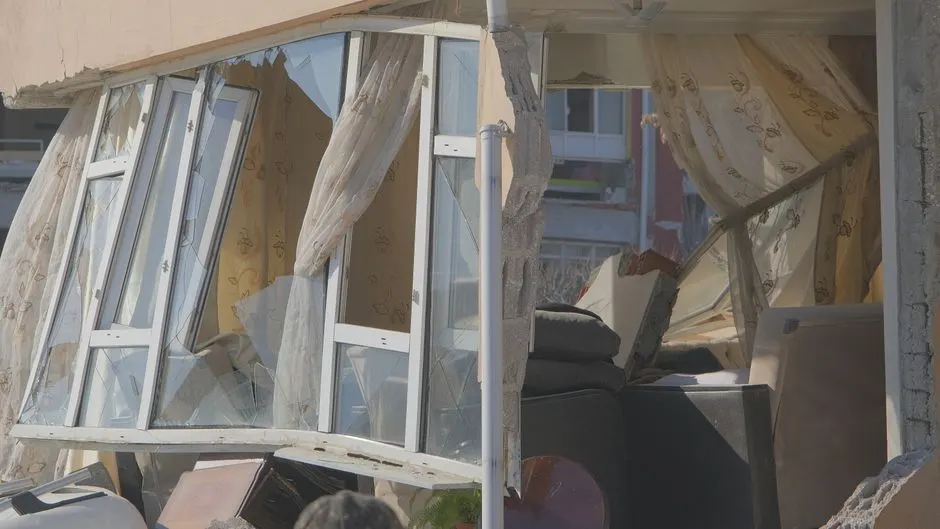
Yes, most homeowners insurance policies in Utah cover sudden and accidental water damage - like a burst pipe, a failed water heater, or storm-driven rain through a broken window. They do not cover gradual leaks, poor maintenance, or rising groundwater, which is why so many Utah claims get denied. This post breaks down exactly where the line falls, how to file a claim that gets approved, and when to call a professional before the damage spreads.
Water damage restoration in Utah is a category of emergency and repair work that removes standing water, dries the structure, and restores materials damaged by leaks, floods, or sewage. It is needed whenever water has entered a home and cannot be fully dried with towels and fans within 24 to 48 hours.
We handle these calls every week along the Wasatch Front, and the insurance question comes up before anything else. So let's answer it properly.
The Short Answer: What's Covered and What Isn't
Utah homeowners insurance covers water damage that is sudden, accidental, and not the result of neglect. That means a pipe that freezes and bursts in January, a supply line that fails under the sink, or wind-driven rain entering through a damaged roof. Those are the claims adjusters approve most often.
What they exclude is water that arrived slowly. A slow drip under a vanity that has been staining the cabinet for months is a maintenance issue, not a covered loss. So is a leaky roof that has been patched three times. So is any water that enters from outside at ground level - that is flood damage, and it requires a separate policy.
Here is the practical split most Utah policies follow:
- Covered: burst pipes, appliance failures, accidental overflow, storm-created openings, vandalism-related water damage.
- Not covered: gradual leaks, long-term seepage, poor maintenance, foundation cracks, groundwater, surface flooding.
- Sometimes covered: mold, but only if it traces back to a covered event and you reported it promptly.
If you are not sure which side your situation falls on, call us before you call your adjuster. We can tell you what we are seeing and how to describe it accurately.
Sudden vs. Gradual Damage: The Line Your Adjuster Draws
The single biggest factor in whether your claim is approved is whether the damage was sudden or gradual. Adjusters look for evidence of how long water has been present. Staining, warped flooring, and mold growth all suggest time, and time suggests neglect.
A burst pipe in a Sandy rambler that floods the basement overnight is sudden. A toilet supply line that has been weeping into the subfloor for six months is gradual. Same water, same damage, opposite outcomes.
We see this constantly in older homes across Sandy water damage restoration, where galvanized plumbing and original shutoff valves finally give out. The homeowners who get paid are the ones who call the same day the water appears.
Mold is the tell. In Utah's dry climate, mold can still colonize a wet wall cavity in 48 to 72 hours. If an adjuster sees mold, they will argue the leak was long-standing. That is why we document moisture readings and photograph everything before we start extraction.
What counts as sudden and accidental
- Pipe freeze and burst during a cold snap
- Washing machine hose failure
- Water heater tank rupture
- Accidental overflow from a tub or sink
- Storm-driven rain through a broken window or missing shingle
What counts as gradual
- Slow drip under a sink or behind a toilet
- Repeated roof leaks
- Foundation seepage after snowmelt
- Corroded supply lines that have been leaking for weeks
If your damage is from a sudden event, your policy likely covers the repair and the restoration. If it is gradual, you are probably paying out of pocket - which is why stopping the water fast matters more than anything else.
What Utah Homeowners Policies Typically Exclude
Utah policies exclude flood damage, and that is the exclusion that catches the most people. Flood means water that comes from outside the home - rising creeks, overflowing storm drains, sheet flow across a yard. Standard homeowners policies never cover it. You need a separate NFIP or private flood policy.
Other common exclusions in Utah:
- Groundwater and seepage - water pushing up through a basement floor or foundation wall.
- Neglect - damage you knew about and did not address.
- Mold - unless it stems from a covered event and was reported promptly.
- Sewer backup - often excluded unless you added a sewer backup endorsement.
- Poor workmanship - a bad remodel that leaks is not a covered loss.
Sewer backup is worth calling out. We handle sewage backup cleanup in Utah regularly, and about half the homeowners we meet did not realize their policy excluded it. Adding the endorsement costs very little and covers a very expensive mess.
If you are in an area that floods - parts of Salt Lake City water damage restoration near the creek corridors, for example - check your flood zone before you need it. FEMA maps are public and your lender can tell you your zone in a minute.
How to File a Water Damage Claim in Utah
Filing a water damage claim in Utah follows a predictable sequence, and the order you do things in affects your payout. Stop the water first, document everything second, call your insurer third.
- Stop the source. Shut off the main water valve. For a water heater, shut the gas or breaker too.
- Document before you clean. Photograph standing water, damaged belongings, and the source. Video helps.
- Call your insurer. Report the loss and get a claim number. Most carriers have 24-hour lines.
- Call a restoration company. Water keeps damaging the structure every hour it sits. Extraction and drying should start the same day.
- Keep every receipt. Hotel, meals, and any emergency purchases may be reimbursable under loss of use.
One thing most homeowners get wrong: they wait for the adjuster before starting cleanup. Your policy requires you to mitigate further damage. Waiting two days for an adjuster while water wicks up your drywall can reduce your payout.
We work directly with Utah adjusters and can document the loss in the format they expect - moisture maps, thermal images, and daily drying logs. That documentation is often the difference between a full payout and a partial one.
Common Mistakes That Get Claims Denied
The most common mistake is waiting. Water damage gets worse by the hour, and delay gives your adjuster an argument that the damage was gradual. Call the same day.
Other mistakes we see:
- Throwing away damaged items before documenting them. Once it is in the dumpster, it is hard to prove it existed.
- Describing the damage wrong. Saying "the basement has always been damp" turns a covered claim into a maintenance issue. Describe the event, not the history.
- Hiring an unlicensed contractor. Utah requires licensing for restoration work, and insurers can deny claims tied to unpermitted repairs.
- Skipping the mold inspection. Mold discovered later is often denied. If water sat for more than 48 hours, get mold inspection and testing in Utah done as part of the claim.
- Not adding sewer backup coverage. It is one of the cheapest endorsements you can buy.
We have seen claims denied over a single sentence. Be factual, be specific, and let the documentation do the talking.
When to Call a Professional
Call a professional when water has been sitting for more than a few hours, when it has reached drywall, carpet, or a basement floor, or when you can smell that musty, wet-cardboard odor that means mold is starting. Those are the situations where DIY drying fails and the damage keeps growing behind the walls.
Our team at Water Damage Pros Utah handles the whole job - extraction, structural drying, mold remediation, and reconstruction. We document everything for your claim and work directly with your adjuster so you are not translating between a contractor and an insurance company.
If you are in one of the newer developments out in Herriman water damage restoration, we can usually be on site within the hour. Same for the older neighborhoods where clay soil and aging pipes cause most of the winter calls.
One call and we take it from there. You get a dry home and a claim file that stands up.
Frequently Asked Questions
Does homeowners insurance cover a burst pipe in Utah?
Yes. A burst pipe from freezing or sudden failure is covered under most Utah policies, including the water extraction, drying, and repair of damaged drywall and flooring. The key is that the failure was sudden, not a slow leak you knew about. Report it the same day.
Is flood damage covered by Utah homeowners insurance?
No. Flood damage from rising water, storm surge, or surface runoff is excluded from standard Utah homeowners policies. You need a separate flood policy through NFIP or a private carrier. It typically takes 30 days to take effect, so do not wait until storm season.
How long do I have to file a water damage claim in Utah?
Most Utah policies require you to report a loss promptly - often within 60 days of discovery. Some carriers allow longer, but waiting weakens your claim. Report the damage as soon as you find it, even if you are still getting estimates.
Does insurance cover mold after water damage in Utah?
Mold is covered only when it results from a covered event and you reported the water damage promptly. If mold is discovered months later, insurers usually call it a maintenance issue. Utah policies often cap mold remediation at $5,000 to $10,000, so check your limit.
Will my Utah homeowners insurance cover sewer backup?
Usually not unless you added a sewer backup endorsement. That endorsement typically costs $50 to $100 per year and covers cleanup and repair after a backup. Given that sewage cleanup often runs $4,000 to $10,000, it is one of the best-value add-ons available.
Get Help with Water Damage in Utah
Water damage gets worse every hour, and the insurance clock starts the moment you find it. If your home in Utah has water where it should not be, call us now at (855) 343-0501 and we will be on our way.
We extract the water, dry the structure, document the loss for your claim, and put your home back together. One call, one team, start to finish.