
24/7 emergency dispatch
A live dispatcher answers your call day or night, including holidays. We roll a crew with extraction and disinfection equipment loaded, and we give you an honest arrival window based on your location in Utah.
Every sewage backup job starts with the same core scope: emergency response, extraction, removal of contaminated material, disinfection, and structural drying to IICRC standard. Rebuild work like new drywall, paint, and flooring is quoted separately once the structure is dry and verified. You get a written scope before we start, and the price does not change unless you add work.
A live dispatcher answers your call day or night, including holidays. We roll a crew with extraction and disinfection equipment loaded, and we give you an honest arrival window based on your location in Utah.
We seal off the affected area with polyethylene sheeting, shut down HVAC if needed, and pull standing sewage with a water extraction unit. A borescope checks wall cavities for hidden contamination before we move on.
Carpet, pad, drywall to the flood line, insulation, and unsalvageable wood subflooring come out, get bagged, and are hauled per Utah solid waste rules. Tile and grout are often saved with aggressive disinfection.
We apply EPA-registered antimicrobial spray to all remaining surfaces, including framing, subfloor edges, and grout lines. This step is what stops odor and mold growth from taking hold after the water is gone.
Dri-Eaz and Phoenix Restoration Equipment air movers and dehumidifiers run until moisture meter and hygrometer readings hit dry standard, usually 3 to 5 days. You get a daily update and a final documentation package.
Sewage backup cleanup in Utah is a Category 3 water loss service that removes raw sewage, contaminated water, and saturated materials from a home or business, then disinfects and dries the structure to pre-loss condition. It is needed the moment a sewer line backs up through a floor drain, toilet, or sump pump. The work is not a mop-and-bucket job: sewage carries bacteria, viruses, and parasites that soak into drywall, insulation, and wood subflooring within hours.
Utah homes deal with sewage backups for a few predictable reasons. Older neighborhoods in West Jordan and North Salt Lake still run clay and cast-iron lateral lines that root-intrude and crack. Winter ground movement shears pipes, and spring snowmelt overwhelms municipal mains. If you are searching for emergency sewage backup cleanup Utah at 2 a.m., we answer the phone, dispatch a crew, and start extraction the same night.
Every job follows the same sequence, whether it is a 200-square-foot bathroom or a 2,000-square-foot finished basement.
Schedule
Call or book online — a real human picks up and confirms a 2-hour arrival window.
Diagnose
Licensed tech inspects on-site, then walks you through the cause and your options.
Fix
The job is completed to code and done right the first time — no shortcuts, no surprises.
Guarantee
Every job backed by a written workmanship warranty — and we stand behind it.
Water extraction unit
Pulls standing sewage and contaminated water from carpet, hard flooring, and low spots. We pair it with a Shop-Vac for tight corners and under cabinets.
Thermal imaging camera
Maps hidden moisture behind walls and under floors without tearing everything open. It shows us exactly where sewage traveled so we remove only what is contaminated.
Moisture meter and hygrometer
Track drying progress daily. We do not pull equipment until readings hit IICRC dry standard, which usually takes 3 to 5 days on a sewage loss.
Borescope
Inspects inside wall cavities and drain lines for contamination and blockages. It tells us whether drywall has to come out or can be saved with disinfection.
Dri-Eaz and Phoenix Restoration Equipment air movers
High-velocity air movement across wet surfaces to speed evaporation. We position them based on the moisture map, not a guess.
Desiccant dehumidifier
Pulls moisture out of crawl spaces and tight, cool areas where standard dehumidifiers struggle. Essential for Utah crawl space sewage losses.
Sump pump
Removes accumulated water from low-lying areas and crawl spaces before extraction begins. We also check your existing pump and discharge line.
IICRC S500 water damage standard
The drying and documentation framework we follow on every sewage loss. It sets the moisture targets, equipment ratios, and daily logging requirements that insurers recognize.
Category 3 contamination protocol
Sewage is Category 3 water, the most contaminated class. We treat every affected surface as contaminated, remove porous materials, and disinfect with EPA-registered products before drying.
Xactimate documentation
We build the scope in Xactimate, the same platform most Utah adjusters use. That means line items, quantities, and photos match what your insurer expects to see, which speeds up approval.
Antimicrobial spray application
Applied to framing, subfloor edges, tile, and grout after removal and before drying. This step stops odor and mold growth from returning once the structure is dry.
01
What we do: Call (855) 343-0501. We dispatch a night crew with extraction units and disinfection supplies. We isolate the area, pull the water, and start drying so contamination does not spread to the rest of the house.
→ You wake up to a contained, disinfected space instead of a spreading mess, and your insurance documentation is already started.
02
What we do: We inspect with a thermal imaging camera and moisture meter to map how far the moisture traveled. Contaminated carpet and pad come out, drywall gets cut to the flood line, and we treat with antimicrobial spray before drying.
→ Hidden moisture is found and removed before mold growth takes hold, which saves you a much larger remediation bill.
03
What we do: We handle the cleanup fast, document everything in Xactimate for your claim, and coordinate directly with the tenant so you do not have to manage the conversation. We also note the likely cause for your plumber.
→ The unit is dry and rentable again in under a week, and you have a paper trail that supports the claim and the repair.
04
What we do: We coordinate with the city if the main is the source, then extract, remove contaminated material, disinfect, and dry. We check the whole ground floor, not just the bathroom, because sewage follows the path of least resistance.
→ The full affected area is cleaned and dried to standard, and you have documentation showing the source was the municipal main.
Utah's climate and housing stock shape how sewage backups happen here. Winter ground movement shears buried lateral lines, and spring snowmelt overwhelms municipal mains in older cities like North Salt Lake and West Jordan. Many homes built before 1980 still have clay or cast-iron drain lines that root-intrude. In southern Utah, caliche soil and long runs to the city main create their own pressure problems. We adjust our approach by region: Wasatch Front jobs usually mean finished basements with carpet and drywall, while rural jobs in places like Fillmore or Oak City often involve crawl spaces and well systems. If you are looking for sewage backup removal services in Utah, we bring the right equipment for your specific setup, not a one-size-fits-all truck.
West Jordan
Lots of 1970s and 1980s subdivisions with original cast-iron laterals. Root intrusion and joint failure are the most common causes of backups we see here.
North Salt Lake
Older housing near the refineries and along the bench has clay sewer lines and steep grades that push sewage back into basements during heavy spring runoff.
American Fork
Fast-growing area with a mix of new construction and older homes. New builds sometimes have backfill settlement that cracks the lateral line within the first few years.
Mapleton
Larger lots with mature trees mean more root intrusion into sewer lines. We see repeat backups here until the line is cameraed and repaired.
Dugway
Remote location with older infrastructure. We stage equipment for the longer drive so the crew arrives ready to work, not ready to resupply.
Spring snowmelt overwhelms municipal sewer mains
From March through May, city mains surcharge and push sewage backward into the lowest drains in a home. We see a spike in basement backups during this window and keep crews on standby.
Winter ground movement shears buried lateral lines
Freeze-thaw cycles shift soil and crack clay or cast-iron pipe. Backups show up in January and February, often after the first hard freeze.
Caliche and rocky soil in southern Utah
Hard soil limits how much a lateral line can shift before it breaks. Repairs are more involved, and we document the damage carefully for your plumber and insurer.
Older homes with clay sewer laterals
Clay pipe joints separate over time and roots find the gaps. These homes need repeat cleanups until the line is replaced, so we note the pattern for you.
Most sewage backups trace back to one of a handful of causes. Here is what we see most often and how we handle it.
Problem
Raw sewage spreads across finished flooring and wicks up drywall within hours, creating a Category 3 health hazard and a fast mold risk.
Our Fix
We extract standing sewage, remove saturated carpet and pad, cut drywall to the flood line, disinfect the slab and framing, and dry the space with air movers and dehumidifiers. Most basements are dry in 3 to 5 days.
Problem
Tree roots in older clay and cast-iron lines cause repeat backups until the line is repaired, and each backup adds contamination and odor.
Our Fix
We handle the cleanup and document the damage so your plumber can camera the line and make the repair. We also treat the affected area with antimicrobial spray and verify dryness before you rebuild.
Problem
A failed sump pump lets groundwater and sometimes sewage rise into a crawl space, soaking insulation and wood joists where mold grows unseen.
Our Fix
We remove contaminated insulation, treat the joists and subfloor with antimicrobial spray, and dry the crawl space with desiccant dehumidifiers. We also check the sump pump and discharge line before we leave.
Problem
Water and waste spread under tile and into the wall cavity, and the smell lingers in grout long after the surface looks clean.
Our Fix
We pull the toilet if needed, extract from the flange, use a borescope to check the wall cavity, disinfect the tile and grout, and dry the subfloor. Odor is gone when we close the job, not masked.
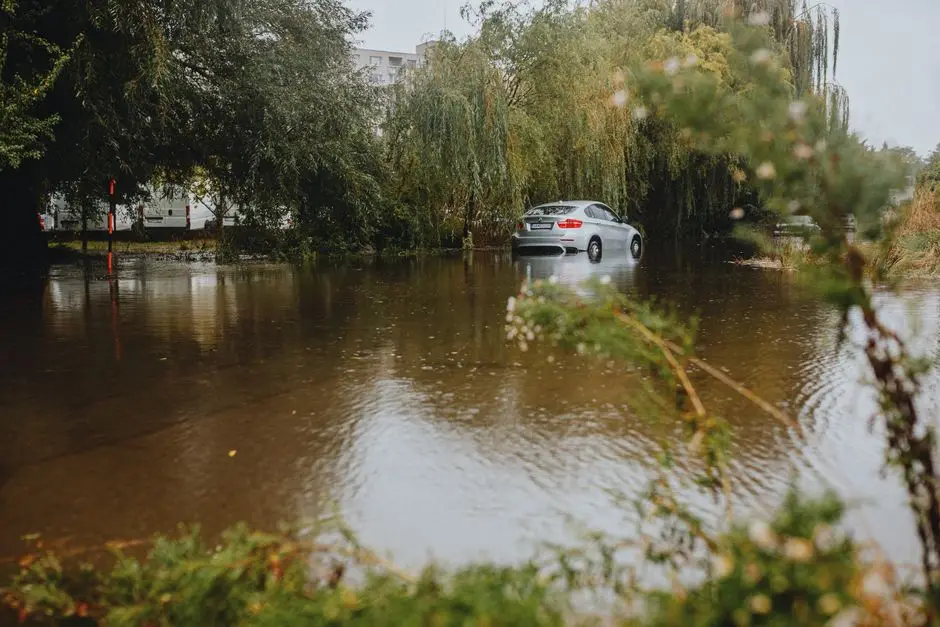
Sewage backups are a health hazard, not just a mess. Here is what you get when our crew pulls up.
Contamination stopped fast
Raw sewage carries E. coli, hepatitis A, and salmonella. We isolate the affected zone with polyethylene sheeting, apply antimicrobial spray to every touched surface, and remove porous materials that cannot be saved. Most Category 3 losses are stabilized within the first 4 hours on site.
Insurance paperwork handled
We document moisture readings, thermal images, and material lists in Xactimate format so your adjuster sees exactly what happened. That means fewer back-and-forth calls and a cleaner claim. Most Utah policies cover sudden sewage backup removal when it is tied to a covered peril.
Drying done to standard
We set air movers and dehumidifiers to IICRC S500 drying targets, then verify with a hygrometer and moisture meter daily. A typical basement takes 3 to 5 days to dry. We do not pull equipment until the numbers say the structure is dry, not the calendar.
Odor and mold prevented
Sewage odor lingers in grout, subfloor, and framing long after the water is gone. We treat with EPA-registered disinfectants, run hydroxyl or ozone where appropriate, and check for mold growth at the 48-hour mark. Catching it early saves you a full mold remediation bill later.
Typical 2026 pricing for sewage backup cleanup in Utah runs $1,200 to $4,500 for most homes, with larger finished basements and mold involvement pushing higher. The biggest cost drivers are square footage affected, how much material has to be removed, and whether the job needs after-hours response. We give you a written scope before we start, and the price does not change unless you add work. If you have insurance, we document the loss so your adjuster can process the claim.
Typical Investment Range
$1,200 - $4,500 for most residential jobs; $6,000+ for large finished basements with mold
The price covers extraction, removal of contaminated material, antimicrobial treatment, and drying to IICRC standard, plus the documentation your insurer needs. Skipping any of those steps usually means paying twice: once for the cleanup and again for mold remediation.
What changes the price
Square footage affected
A single bathroom backup might cover 50 square feet; a finished basement can run 800 or more. Extraction, disinfection, and drying equipment are all priced by area, so this is the largest single variable.
Material removal
Carpet, pad, and drywall to the flood line are standard removals. If sewage reached the wood subfloor or insulation, that adds labor and disposal cost. Tile and grout can often be saved, which lowers the bill.
Category 3 disinfection scope
Every surface that touched sewage needs antimicrobial treatment. The more the water traveled, the more surface area we treat. A contained bathroom is far less work than sewage that spread through three rooms.
After-hours or emergency response
Night, weekend, and holiday calls carry a higher rate because we pull crews off standby. If you can wait until morning, the rate is lower. We tell you the difference on the phone before we dispatch.
Mold growth present
If mold has already colonized wet drywall or subfloor, the job shifts from sewage cleanup to mold remediation, which adds containment, removal, and air scrubbing. Catching it within 48 hours usually avoids this.
Access and equipment staging
Basements with narrow stairs, crawl spaces with tight entries, and long hose runs add labor time. We quote based on the actual access at your home, not a flat rate that surprises you later.
Google ★★★★★4.9
Sewage backup in our basement on a Friday night. They answered on the first ring, arrived in about 75 minutes, and had the water out by 1 a.m. The crew was professional and explained what they were doing. Insurance approved the claim without a fight because the documentation was thorough.
Yelp ★★★★★4.8
We had a crawl space backup from a failed sump pump. They removed the wet insulation, treated the joists, and dried it out in four days. The humidity readings were logged daily and sent to us. No odor, no mold. Worth every dollar.
BBB ★★★★★4.9
Repeat sewage backup at our rental property. They handled the cleanup and talked to our tenant so we did not have to. The Xactimate report matched what our adjuster expected. Third time we have used them and they are consistent.
We run sewage backup removal Utah-wide, from the Wasatch Front to the rural communities along I-15 and US-6. Crews stage across multiple counties so we can reach most addresses within 60 to 90 minutes. If your city is on this list, we cover it. If it is not, call and ask.
Older subdivisions with cast-iron laterals are common here. We handle basement backups, root intrusion, and the drywall removal that follows.
Mix of newer builds and established neighborhoods on the bench. We respond to floor drain backups and sump pump failures, especially during spring runoff.
Fast-growing area with both new construction and older homes. We see lateral line cracks from backfill settlement and handle the full cleanup.
Older housing stock and steep grades push sewage into basements during heavy runoff. We extract, disinfect, and dry to standard.
Large lots with mature trees mean root intrusion into sewer lines. We clean up the backup and document the cause for your plumber.
Rural homes with longer lateral runs and well systems. We stage equipment for the drive and arrive ready to extract and disinfect.
Older homes in the area often have clay sewer lines. We handle backups, remove contaminated material, and dry the structure.
Cold winters and freeze-thaw cycles crack buried lines. We respond to backups here with winter-ready equipment and drying setups.
Small-town properties with crawl spaces and septic systems. We remove contaminated insulation and dry the space with desiccant dehumidifiers.
Rural southern Utah homes with caliche soil and long runs to the main. We document the damage carefully for your insurer and plumber.
Remote location with older infrastructure. We plan the drive and equipment load so the crew arrives ready to work, not resupply.
Farm and ranch properties where backups often involve crawl spaces. We extract, disinfect, and dry to IICRC standard.
Northern Utah location with cold winters and older homes. We handle sewage backups, frozen line breaks, and the drying that follows.
Remote Grand County area. We stage equipment for the distance and handle the full cleanup, from extraction through final moisture verification.
Real answers to the questions we hear most often from local homeowners and property managers.
Sewage backups are a Category 3 water loss. Once we extract and disinfect, our water damage restoration crews rebuild the drying plan, replace damaged drywall and flooring, and return the room to pre-loss condition.
View Water Damage RestorationStanding sewage needs to come out fast. Our emergency water removal units pull hundreds of gallons per hour, which limits how far contamination spreads into adjacent rooms and wall cavities.
View Emergency Water RemovalWhen a sewage backup follows a storm or snowmelt event, flood cleanup crews handle the combined mess: silt, debris, contaminated water, and the structural drying that follows.
View Flood CleanupFinished basements are the most common sewage backup site in Utah. Our basement water extraction techs use borescopes and thermal cameras to find hidden moisture behind baseboards and under tile before it becomes mold.
View Basement Water ExtractionSewage that reaches a crawl space soaks insulation and wood joists fast. We remove contaminated material, treat framing with antimicrobial spray, and dry the space with desiccant dehumidifiers.
View Crawl Space Water RemovalHeavy spring storms overload municipal sewer mains, which pushes sewage back into homes. Our storm damage restoration crews coordinate with city utilities and handle the full cleanup.
View Storm Damage RestorationCall us at (855) 343-0501 any time, day or night. A live dispatcher answers, not a machine. We serve the entire state of Utah and can have a crew at your door within 60 to 90 minutes for most Wasatch Front addresses. You can also email info@waterdamageprosutah.com.
Phone
(855) 343-0501Address
Utah
Hours
Mon–Fri: 7AM – 7PM
Sat: 8AM – 4PM
Sun: Emergency Only
24/7 Emergency Available