
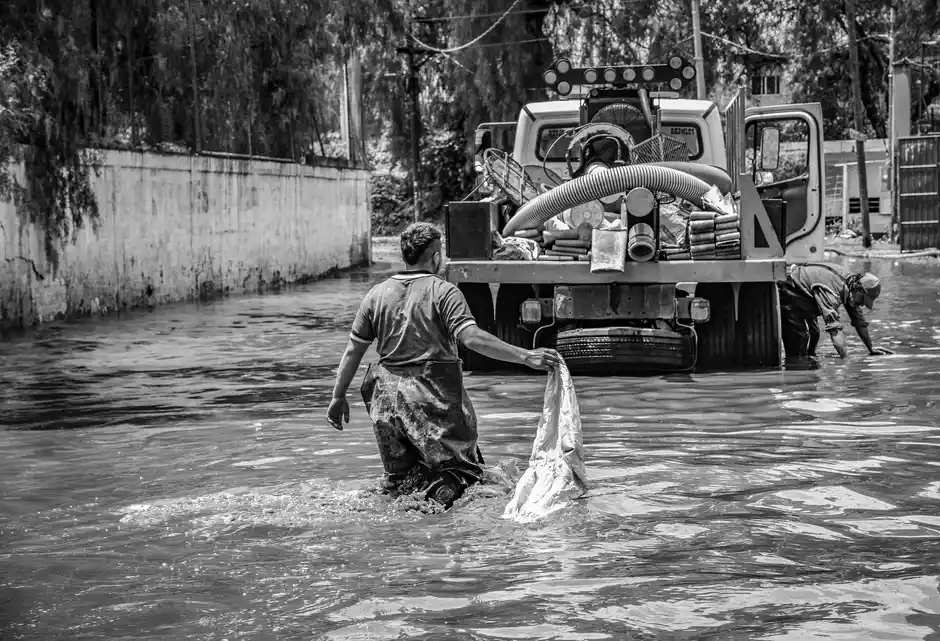
Emergency Water Extraction
Truck-mounted extraction units and wet vacs pull standing water from floors, carpet, and crawl spaces. We extract before we set a single air mover, because drying wet air does nothing while water is still standing.
Every flood cleanup job starts with the same core scope. Here is what is covered when we roll up, and what we scope separately so you are not guessing.
Truck-mounted extraction units and wet vacs pull standing water from floors, carpet, and crawl spaces. We extract before we set a single air mover, because drying wet air does nothing while water is still standing.
We use moisture meters, thermal imaging cameras, and borescopes to find water behind walls and under floors. You get a written scope with readings before extraction starts. This is what keeps the job honest.
Saturated drywall, insulation, and carpet pad come out. We bag and haul it. If the water was Category 3, we follow containment and PPE protocols and apply antimicrobial spray to the framing.
We size air movers and Dri-Eaz or Phoenix Restoration Equipment dehumidifiers to the wet footprint. Equipment stays until hygrometer readings hit dry standard, usually 3 to 5 days.
A technician checks readings every day and adjusts equipment. When the job is done, you get a completion report with photos and final moisture readings for your insurance file.
Flood cleanup in Utah is the process of removing standing water, extracting saturated materials, and drying a structure back to safe moisture levels after a flood, burst pipe, or sewage backup. It is not a shop vac and a fan. We use moisture meters and thermal imaging cameras to find water you cannot see, then match the drying equipment to the actual wet footprint. Every job ends with documented dry-standard readings, not a guess.
Utah homes flood for reasons that have nothing to do with a river. A burst pipe behind a finished wall, a slab leak under tile, a roof leak after a spring storm, or a sump pump that quits during a July downpour all create the same mess. We see crawl space moisture in older Ogden homes and basement flooding in newer Taylorsville builds. If you are searching for flood cleanup near me Utah, we cover the whole state.
Every job follows the same five steps. You will know what is happening, who is in your home, and when the equipment comes out.
Schedule
Call or book online — a real human picks up and confirms a 2-hour arrival window.
Diagnose
Licensed tech inspects on-site, then walks you through the cause and your options.
Fix
The job is completed to code and done right the first time — no shortcuts, no surprises.
Guarantee
Every job backed by a written workmanship warranty — and we stand behind it.
Thermal Imaging Camera
Finds temperature differences behind walls and under floors to locate hidden water. We use it before we cut anything open.
Moisture Meter and Hygrometer
Measures moisture content in drywall, wood, and air. We log readings daily to track drying progress and confirm dry standard.
Truck-Mounted Water Extraction Unit
Pulls hundreds of gallons of standing water fast. It is the first piece of equipment on-site for any flooded basement or crawl space.
Dri-Eaz and Phoenix Restoration Equipment Dehumidifiers
Removes moisture from the air so wet materials can dry. We size the units to the cubic footage of the affected space.
Air Movers
Circulate air across wet surfaces to speed evaporation. Placement matters more than quantity, so we map the airflow before we set them.
Borescope
Inspects inside wall cavities and crawl spaces without demolition. It tells us whether a wall is wet inside before we open it.
Sump Pump
Removes water from crawl spaces and low spots where a truck mount cannot reach. We bring one when the job needs it.
IICRC S500 Standard
The industry standard for water damage restoration. We follow it for extraction, drying, and documentation, which is what your insurance adjuster expects to see.
Moisture Mapping
We map the wet footprint with readings from multiple points in each room. That map drives equipment placement and tells us when the job is actually dry.
Containment and Antimicrobial Treatment
For Category 3 water, we set polyethylene sheeting containment and apply antimicrobial spray to framing. That protects the rest of the house from contamination.
Daily Drying Logs
A technician records hygrometer and moisture meter readings every day. If a room is not drying, we adjust equipment instead of waiting.
01
What we do: We dispatch a crew the same hour, extract the standing water, and set drying equipment. We cut out only the drywall that is saturated past saving.
→ Most basements are dry in 3 to 5 days, and you have documentation for the insurance claim.
02
What we do: We tarp the roof if needed, extract water, and dry the ceiling cavity with directed air. Thermal imaging finds the wet spots you cannot see.
→ The structure dries without a full ceiling tear-out, and the repair scope is clear.
03
What we do: We extract, pull wet carpet and pad, and set air movers and dehumidifiers sized to the square footage. Daily readings track progress.
→ The basement is dry in under a week, and the finished walls are saved where possible.
04
What we do: We set containment, remove contaminated materials, apply antimicrobial spray, and dry the space with desiccant dehumidifiers.
→ The area is clean and dry, and the job is documented for your insurance carrier.
Utah floods on its own schedule. Spring snowmelt and rain push water into crawl spaces and basements along the Wasatch Front. Summer thunderstorms drop an inch in an hour and overwhelm sump pumps in Taylorsville and Magna. Winter brings burst pipes when temperatures drop into the teens, especially in older homes with uninsulated exterior walls. We see slab leaks under tile in St. George-area builds and roof leaks after wind-driven storms in Ogden. Building stock matters too. Pre-1978 homes may have lead paint, so we follow EPA Lead-Safe practices before we cut into a wall. Newer construction in Vineyard and Hooper often has tighter envelopes, which means moisture gets trapped and drying takes longer. Our crews carry the equipment to handle both. If you need flood water cleanup Utah wide, we run trucks out of multiple staging points so a Cedar City call does not wait on a Salt Lake crew.
Ogden
Older homes near downtown have original galvanized plumbing that fails at joints. We see burst pipes in wall cavities more often here than in newer builds.
Taylorsville
Finished basements from the 1990s are common, and sump pump failures during summer storms are a frequent call.
Cedar City
High-desert temperature swings stress exterior pipes. Winter freeze-thaw cycles cause more burst pipe calls than rain.
Magna
Older housing stock and clay soils mean water pools against foundations. Foundation seepage into basements is a recurring problem.
Vineyard
New construction with tight envelopes traps moisture. Drying takes longer because air exchange is lower than in older homes.
Winter freeze-thaw cycles
Pipes in exterior walls and crawl spaces freeze and burst. We see a spike in calls from December through February, especially in older homes.
Spring snowmelt and rain
Water saturates soil and finds foundation cracks. Basement flooding and foundation seepage calls rise in March and April.
Summer monsoon storms
Short, intense rain overwhelms sump pumps and roof drains. We keep crews on standby for storm calls in July and August.
Clay-heavy soils along the Wasatch Front
Clay holds water against foundations instead of draining. That drives foundation seepage and crawl space moisture even without a storm.
Most flood calls come from the same handful of failures. Here is what we see and how we handle it.
Problem
Water wicks into drywall and insulation for hours before you see it. By the time the ceiling stains, the wall cavity is soaked and mold growth has a head start.
Our Fix
We use a thermal imaging camera to find the wet zone, cut a small inspection opening, and extract. Then we dry the cavity with directed air and treat the framing with antimicrobial spray. Most walls are dry in 3 to 4 days.
Problem
Category 3 water carries bacteria and pathogens. A shop vac and a fan spread contamination instead of removing it, and the smell stays for months.
Our Fix
We set containment, wear full PPE, remove contaminated materials, and apply antimicrobial spray. Desiccant dehumidifiers dry the space. We do not clear the job until post-treatment readings are clean.
Problem
Standing water in a crawl space rots wood subflooring and feeds mold growth. It also warps hardwood floors above and drives up humidity in the whole house.
Our Fix
We inspect with a borescope, extract standing water, and set desiccant dehumidifiers. Polyethylene sheeting goes down as a vapor barrier. Most crawl spaces dry in 3 to 5 days.
Problem
Water travels under the slab and shows up as a warm spot or a buckle in the floor. Tile and grout trap moisture, and the leak keeps feeding it until the pipe is fixed.
Our Fix
We locate the wet zone with thermal imaging, extract what we can, and dry the surrounding structure. We coordinate with a licensed plumber to fix the slab leak before we close anything up.
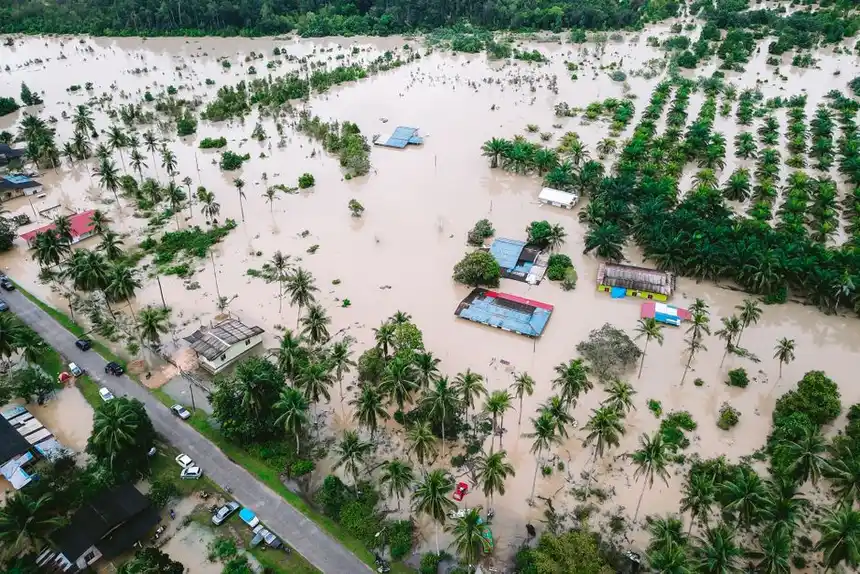
Flooding gets worse by the hour. Water wicks into drywall, insulation, and wood subflooring, and mold can start within 24 to 48 hours. Here is what you get when you call us instead of waiting.
Same-Hour Emergency Response
We answer the phone 24/7 and roll a crew to most Utah County and Salt Lake County addresses within 60 to 90 minutes. That first hour is when extraction matters most. The faster we pull water, the less drywall and insulation you lose.
Insurance Documentation Done Right
We photograph every affected room, log moisture readings, and build a scope in Xactimate so your adjuster sees the same numbers we do. That shortens the claim and reduces the back-and-forth. You get a copy of everything.
Mold Stopped Before It Starts
We apply antimicrobial spray to wet framing and use desiccant dehumidifiers to pull humidity down fast. In most jobs we hold drying to 3 to 5 days. That window is what keeps mold growth from turning a cleanup into a remodel.
Licensed, Insured, and Code-Correct
Our crews hold IICRC WRT and IICRC ASD credentials, and we work under a Utah contractor license. We pull permits when structural repairs need them. You are not hiring a guy with a truck and a wet vac.
Typical 2026 pricing for flood cleanup in Utah runs $1,200 to $4,500 for most homes, with larger commercial jobs going higher. The number depends on square footage, water category, and how much material has to come out. We give you a written scope before extraction starts. If the job is smaller than expected, the price drops. If we find more water behind a wall, we show you the readings and the revised scope before we proceed.
Typical Investment Range
$1,200 - $4,500 for most residential jobs; commercial and sewage jobs run higher
You are paying for equipment, trained technicians, and documentation that supports your insurance claim. A cheap cleanup that leaves moisture behind turns into a mold remediation bill that costs more than the original job.
What changes the price
Square footage affected
A 400-square-foot basement takes less equipment and time than a 1,500-square-foot finished lower level. Equipment count and drying days both scale with size.
Water category
Clean water from a burst pipe is the simplest job. Category 3 sewage backup adds containment, PPE, material removal, and antimicrobial treatment, which raises the cost.
Material removal
Carpet, pad, drywall, and insulation that cannot be saved have to come out and be hauled. The more material removed, the higher the labor and disposal cost.
Drying time
Most jobs dry in 3 to 5 days. Tight construction or a crawl space with limited airflow can push to 6 or 7 days, which adds equipment rental time.
Access and containment
A basement with a narrow stairwell takes longer to load equipment into. Sewage jobs need containment barriers, which adds setup time.
Google ★★★★★4.9
They responded to our flooded basement in Ogden within an hour. The crew was professional, explained every step, and handled the insurance paperwork. The basement was dry in four days.
Google ★★★★★4.8
We had a sewage backup in Taylorsville and they handled it properly with containment and PPE. They did not cut corners. The final report made our insurance claim easy.
Yelp ★★★★★4.9
A pipe burst in our crawl space and they extracted the water and dried it out fast. The daily updates were helpful. I would call them again without hesitation.
Our technicians are trained to IICRC standards and carry IICRC WRT, IICRC ASD, and IICRC AMRT credentials. We work under a Utah contractor license and follow EPA Lead-Safe practices on pre-1978 homes. That matters in older Utah neighborhoods where lead paint and asbestos are real concerns. We have dried everything from a 400-square-foot Hooper crawl space to a 6,000-square-foot commercial building in Ogden. We know how Utah building stock behaves when it gets wet.
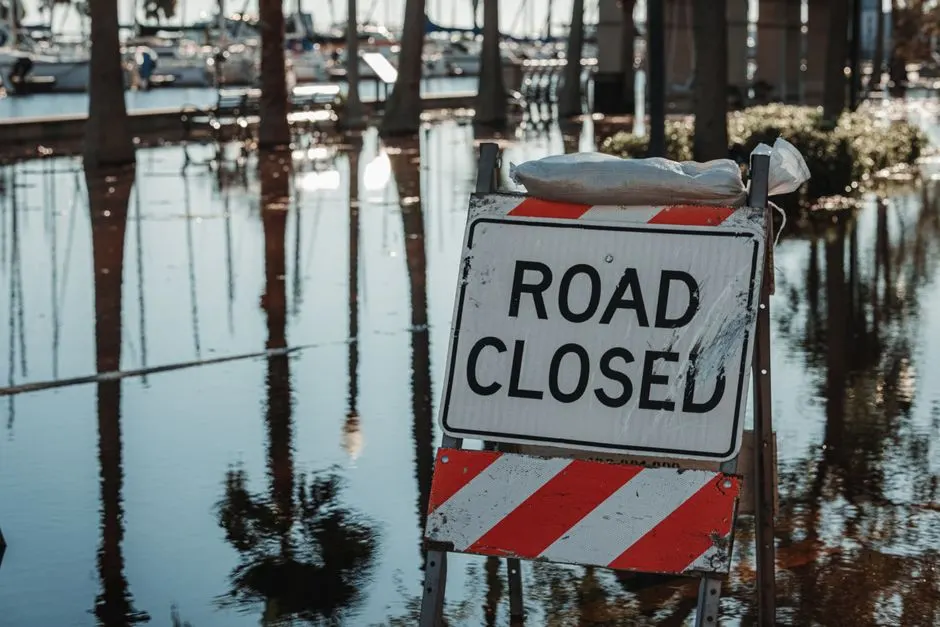
We run flood cleanup services Utah homeowners can count on across the state. From the Wasatch Front to the southern valleys, our crews carry the same equipment and follow the same documentation standard. Here are some of the cities we cover, and how we handle the local conditions in each.
Older homes near downtown Ogden have galvanized plumbing that fails at joints. We handle burst pipe cleanup and dry the wall cavities with thermal imaging and directed air.
Finished basements and summer storm sump pump failures are common in Taylorsville. We extract fast and set drying equipment sized to the square footage.
Cedar City's freeze-thaw cycles stress exterior pipes. We handle winter burst pipe calls and dry the structure before mold sets in.
Clay soils push water against foundations in Magna. We handle foundation seepage and basement flooding with extraction and vapor barrier work.
Newer Vineyard homes have tight envelopes that trap moisture. We use desiccant dehumidifiers to dry them properly, even when airflow is limited.
Hooper crawl spaces take on storm water and hold it. We extract standing water, dry the joists, and install polyethylene sheeting as a barrier.
Delta's cold winters mean frozen pipe calls. We respond 24/7 and dry the structure after the pipe is repaired.
Millville homes near the creek see spring runoff seepage. We handle basement water extraction and structural drying.
Stockton's older housing stock has original plumbing and limited crawl space access. We use borescopes to inspect and extract without unnecessary demolition.
Fielding's rural properties often have well systems and exterior pipes. We handle winter burst pipe cleanup and dry the structure.
Kanosh sees freeze-thaw damage to exterior lines. We respond to emergency calls and dry the affected areas to standard.
Howell's remote location does not stop our crews. We handle flood water cleanup and structural drying for rural properties.
Summit's high elevation means cold winters and frozen pipes. We respond 24/7 and dry the structure after repairs.
Modena's dry climate does not prevent pipe failures. We handle burst pipe cleanup and dry the structure to prevent mold growth.
Real answers to the questions we hear most often from local homeowners and property managers.
When flood cleanup turns into rebuild work, our restoration crews handle drywall, trim, and paint. We keep the same project manager from extraction to final walkthrough so you are not repeating your story to a new crew.
View Water Damage RestorationStanding water needs to come out before anything else happens. Our emergency water removal crews run 24/7 with truck-mounted extraction units and can be on-site in most Utah areas within 60 to 90 minutes of your call.
View Emergency Water RemovalFinished basements in Taylorsville and Magna take on water fast. We extract, pull wet carpet and pad, and set drying equipment sized to the square footage. Most basement jobs are dry in 3 to 5 days.
View Basement Water ExtractionCrawl spaces hold moisture long after the visible water is gone. We use borescopes to inspect, extract standing water, and set desiccant dehumidifiers to dry the joists and subfloor. That stops wood rot and mold growth at the source.
View Crawl Space Water RemovalSewage is Category 3 water and needs full containment. We suit up, remove contaminated materials, apply antimicrobial spray, and dry the structure. We do not treat a sewage backup like a clean-water leak.
View Sewage Backup CleanupAfter a spring storm or a roof leak, water gets into walls and ceilings. We tarp, extract, and dry, then handle the repairs. Storm claims get the same Xactimate documentation as any other flood job.
View Storm Damage RestorationCall us at (855) 343-0501 any time, day or night. A live dispatcher answers, not a machine. We serve the entire state of Utah and can have a crew at your door within 60 to 90 minutes for most Wasatch Front addresses. You can also email info@waterdamageprosutah.com.
Phone
(855) 343-0501Address
Utah
Hours
Mon–Fri: 7AM – 7PM
Sat: 8AM – 4PM
Sun: Emergency Only
24/7 Emergency Available